Pitfall: The Lost Expedition
Oct 15, 2004 22 years ago
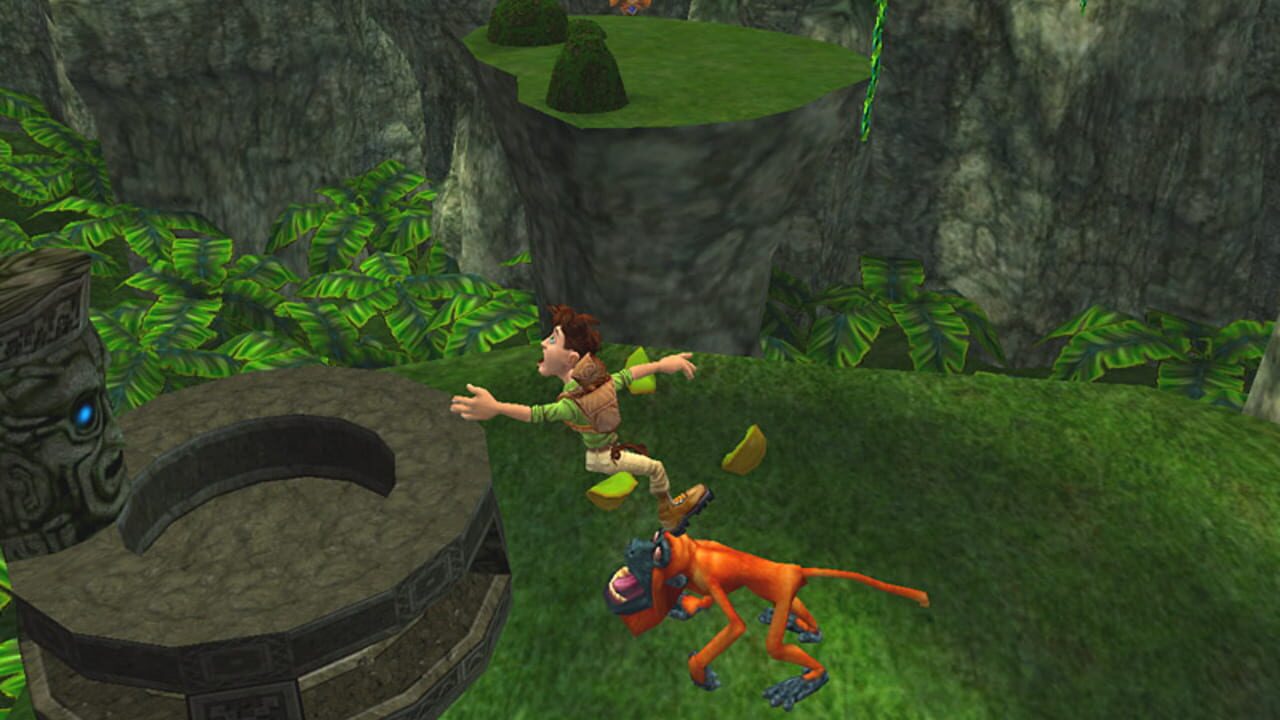
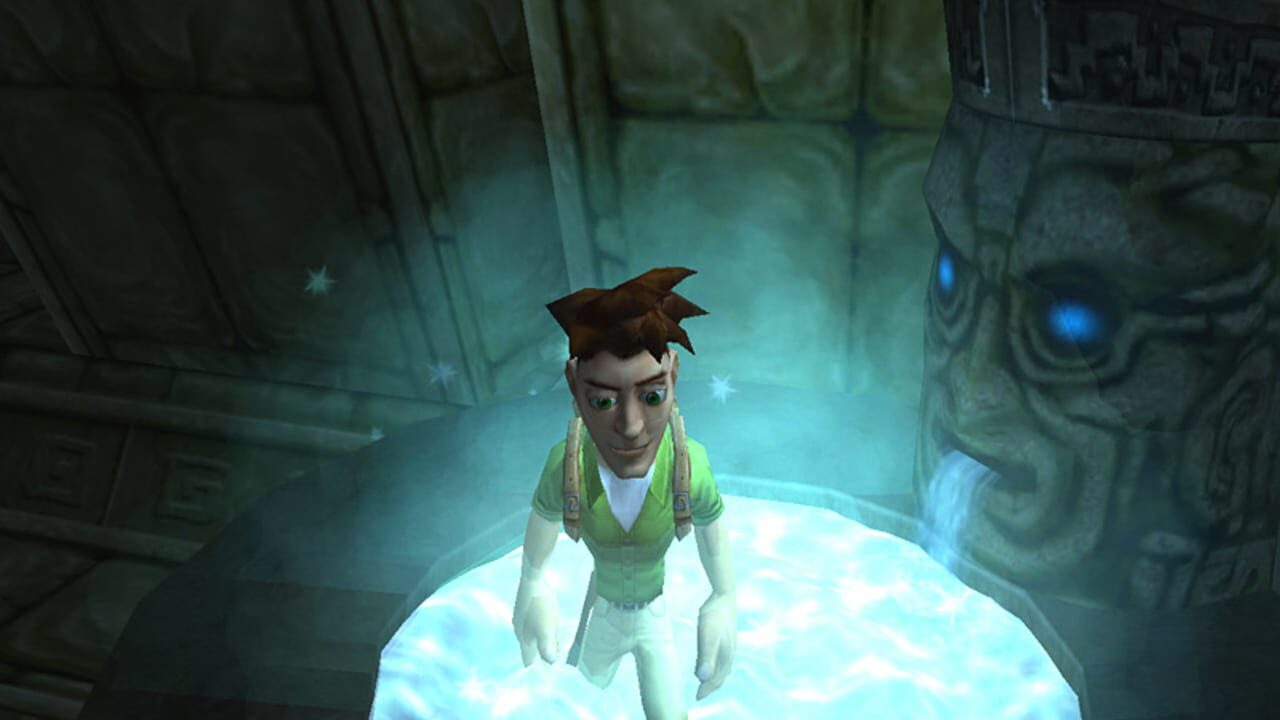
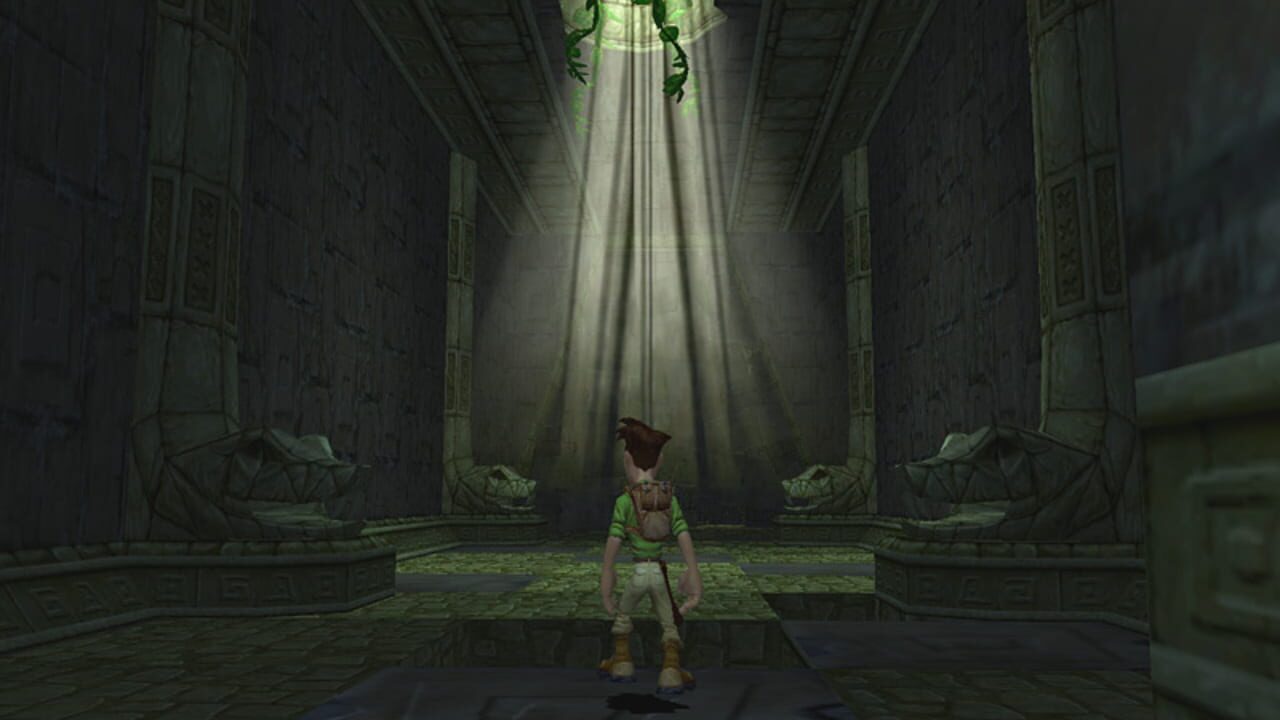
Twenty-two years after making his groundbreaking debut on the Atari 2600, Activision's Pitfall Harry returns for more jungle-exploring action. The intrepid adventurer is brought to life for more than 50 perilous levels set in such exotic South American locales as rainforests, glaciers, mines, and ancient ruins. As in the original, players must utilize Harry's athletic prowess to swing from vines, run from rolling logs, hop over treacherous pits, avoid snapping crocodiles, and more, while trying to survive the hostile environment. His objectives? To retrieve lost artifacts before they fall into the hands of his rival and to save those in danger. Pitfall Harry will eventually encounter situations that even he can't conquer with a well-timed jump or two, so players can pull items stored in his knapsack to assist him. Like the character's single foray on the original PlayStation, this game is designed to make players smile while exploring the mysterious lands before them. Although Pitfall 3D made use of Bruce Campbell's voice for its comic effect, Pitfall Harry attempts to use its visuals to elicit grins, with the protagonist drawn as a caricature, with a large head balanced atop a slender body. As the story begins, Harry is a member of a treasure-hunting expedition whose plane goes down in the forest. The other survivors are scattered throughout the game; an older, wiser adventurer who was on the plane -- and who becomes incapacitated during the accident -- urges Harry to embark on a quest to save them while battling a rival, eco-unfriendly group of treasure hunters for the relics of the jungle so they can be returned to their rightful owners. He hands Harry the "Hero's Handbook" and Harry's off to adventure. The "Hero's Handbook's" pages are scattered throughout the levels just like the crash survivors are. Find new pages, and Harry will learn new moves.
What it’s like
Pitfall: The Lost Expedition resurrects the classic jungle-exploring formula with a modernized, third-person perspective that emphasizes fluid movement and environmental interaction. The experience is defined by its lighthearted tone and caricatured art style, prioritizing fun over narrative depth or grim atmosphere. Players navigate over fifty distinct levels, from lush rainforests to icy glaciers, engaging in rhythmic platforming sequences that require precise timing for swinging, jumping, and dodging hazards like rolling logs and crocodiles. The core loop revolves around collecting scattered artifacts and 'Hero's Handbook' pages to unlock new abilities, providing a sense of steady progression without complex build variety. A notable feature is the inclusion of split-screen multiplayer, allowing friends to compete or cooperate in this arcade-style adventure. While the story serves merely as a thin framework for the action, the game’s charm lies in its accessible mechanics and vibrant world design, making it a nostalgic yet fresh platforming experience.
Strong in Atmosphere / MoodCo-op / MultiplayerGameplay / MechanicsPacing
Keep in mind The narrative is extremely simplistic and largely ignored by the gameplay, offering little emotional investment or character development. The combat system is minimal and repetitive, relying mostly on evasion rather than strategic engagement, which may feel shallow to players seeking deep mechanical complexity.
AI-generated from catalog data, informed by reviews from metacritic.com, gamespot.com, en.wikipedia.org, ign.com, mobygames.com.
Screenshots


Releases
| Platform | Region | Type | Date |
|---|---|---|---|
| Nintendo GameCube | Worldwide | Full release | Feb 18, 200422 years ago |
| Xbox | Worldwide | Full release | Feb 18, 200422 years ago |
| PlayStation 2 | Worldwide | Full release | Feb 20, 200422 years ago |
| PC (Microsoft Windows) | Worldwide | Full release | Oct 15, 200422 years ago |